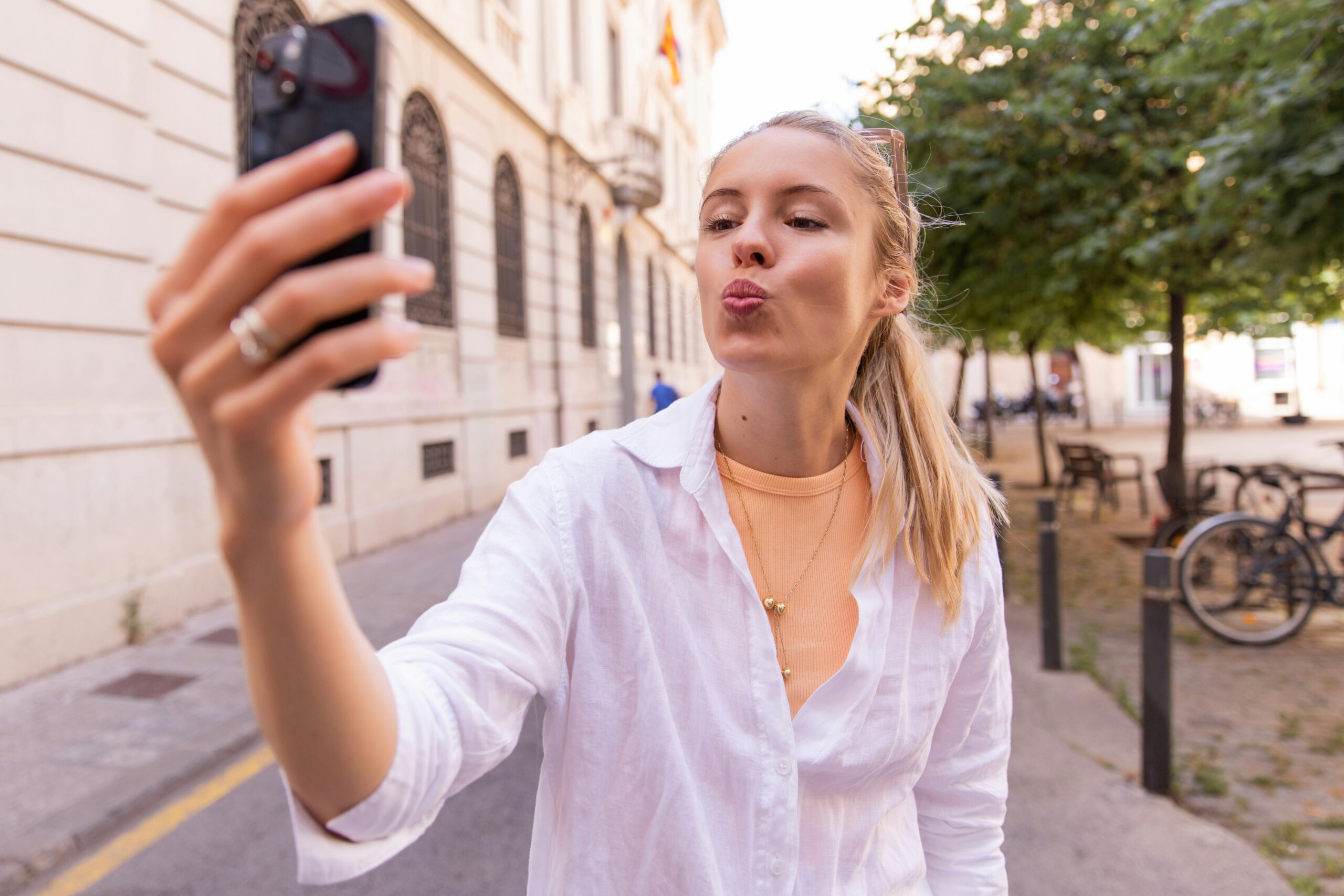
Here’s a reality that would sound like science fiction to previous generations: millions of young people now spend significant portions of their day applying digital masks to their faces, smoothing their skin, brightening their eyes, and reshaping their features before anyone else can see them.
We call them filters, and they’ve become so normalized that seeing someone’s actual, unedited face on social media feels almost shocking. The technology that was supposed to help us connect more authentically has instead created a culture where authenticity itself feels inadequate.
Welcome to the filter life, where the line between reality and performance has become so blurred that many young people genuinely don’t know what they actually look like anymore.
The Perfection Algorithm
Social media filters aren’t just fun effects—they’re sophisticated technology designed to address every perceived flaw in human appearance. They smooth skin, whiten teeth, enlarge eyes, slim faces, and add makeup with algorithmic precision. Some filters are obvious and playful, but others are so subtle that viewers can’t tell they’re being used.
The psychological impact is profound. When you see yourself through filtered lenses hundreds of times per day, your brain begins to prefer that version of yourself. Your actual reflection in mirrors starts to feel disappointing by comparison. You develop what researchers call “snapchat dysmorphia”—a condition where people seek plastic surgery to look more like their filtered selfies.
But this goes deeper than individual psychology. We’re witnessing the digital reformation of beauty standards in real time. An entire generation is growing up with distorted perceptions of what normal human faces actually look like. When everyone appears flawless online, actual human features—pores, asymmetry, natural skin texture—begin to feel like defects that need correction.
The Authenticity Paradox
The irony is that social media was supposed to democratize self-expression and create space for authentic connection. Instead, it’s created new forms of performance pressure that are more intense and inescapable than anything previous generations experienced.
Your grandmother might have felt pressure to look good when she left the house, but she didn’t have to curate her appearance for public consumption every time she wanted to share a thought, celebrate an achievement, or connect with friends. The burden of constant aesthetic performance has become exhausting for many young people, particularly young women.
This creates what we might call the authenticity paradox: the platforms that promise genuine connection reward artificial presentation. The more “real” you appear, the less engagement your content receives. The algorithm favors content that meets current beauty standards, which means authentic representation of human diversity gets buried under avalanches of filtered perfection.
The Biblical Vision of Beauty
Scripture offers a radically different perspective on human beauty and worth that directly challenges filter culture. When God looks at humanity, He sees beings created in His own image (Genesis 1:27)—not raw material that needs digital enhancement to become acceptable.
The biblical understanding of beauty is holistic rather than purely aesthetic. True beauty emerges from character, wisdom, and spiritual depth. As Peter writes, “Your beauty should not come from outward adornment, such as elaborate hairstyles and the wearing of gold jewelry or fine clothes. Rather, it should be that of your inner self, the unfading beauty of a gentle and quiet spirit, which is of great worth in God’s sight” (1 Peter 3:3-4).
This doesn’t mean physical appearance doesn’t matter or that caring about how you look is inherently wrong. It means that physical appearance has been put in proper perspective as one aspect of human beauty rather than the primary or only source of worth and attraction.
When Jesus looked at people, He saw their hearts, their potential, their spiritual condition. He noticed the widow’s generosity more than her appearance, the prostitute’s faith more than her reputation, the tax collector’s humility more than his social status. His vision of human worth was consistently deeper and broader than surface-level characteristics.
The Comparison Trap
Filters don’t just change how you see yourself—they change how you see others. When you’re constantly exposed to artificially enhanced images, your expectations for human beauty become unrealistic. Real people begin to seem inadequate by comparison, including yourself when you’re not filtered.
This creates a vicious cycle of comparison and dissatisfaction. You compare your real appearance to others’ filtered appearance, feel inadequate, apply more filters to compensate, and contribute to the unrealistic standards that make others feel inadequate. Everyone becomes both victim and perpetrator in a system that profits from insecurity and dissatisfaction.
The biblical response to comparison culture is found in passages like 2 Corinthians 10:12: “We do not dare to classify or compare ourselves with some who commend themselves. When they measure themselves by themselves and compare themselves with themselves, they are not wise.”
Paul understood that comparison-based identity is inherently unstable because it depends on external validation rather than internal truth. When your sense of worth depends on looking better than others or meeting artificial standards, you’re building your identity on constantly shifting ground.
The Commodification of Insecurity
What’s particularly troubling about filter culture is how it monetizes human insecurity. The same companies that profit from selling you products to “fix” your appearance are also providing the technology that makes you feel inadequate in the first place.
Beauty and fashion brands collaborate with social media platforms to create filters that subtly promote their products while making users feel like their natural appearance needs improvement. The filters become advertising tools that generate insecurity and then offer products as solutions.
This represents a sophisticated form of manipulation that would have been impossible in previous generations. Companies can now directly alter your perception of yourself and others, creating problems they can then profit from solving.
From a Christian perspective, this should concern us because it exploits human vulnerability for profit. It takes something beautiful—the diversity of human appearance created by God—and treats it as a marketing problem to be solved through consumption.
Creating Alternative Culture
Christians have an opportunity to model a different approach to beauty, self-expression, and digital presentation that honors human dignity while engaging thoughtfully with technology.
Practice selective authenticity. You don’t have to share everything, but when you do share, consider doing so without artificial enhancement. Let people see actual human faces, including your own. This normalizes realistic human appearance and creates space for others to do the same.
Celebrate diverse beauty. Notice and affirm beauty that doesn’t fit narrow social media standards. Comment meaningfully on posts that show authentic human experience rather than just perfect moments. Create culture by choosing what you engage with and celebrate.
Develop internal sources of identity. Cultivate aspects of yourself that can’t be filtered: character, wisdom, humor, kindness, creativity. Invest time in activities that develop these qualities rather than just managing your appearance.
Question beauty standards. Ask yourself: Where did I learn that this particular feature is attractive or unattractive? Who benefits when I feel dissatisfied with my natural appearance? How might God see beauty differently than current social media culture does?
The Long View
The filter phenomenon is still relatively new, and we don’t yet fully understand its long-term psychological and cultural effects. But early research suggests that constant exposure to filtered images is contributing to increased rates of anxiety, depression, and body dysmorphia among young people.
As Christians, we have both an opportunity and a responsibility to offer alternative vision of human worth and beauty. We can model what it looks like to find identity in something deeper and more stable than appearance. We can create digital culture that celebrates the full spectrum of human experience rather than just the moments that can be made Instagram-worthy.
This doesn’t require rejecting technology or avoiding social media entirely. It requires using these tools more intentionally, with awareness of their psychological and spiritual effects, and with commitment to honoring human dignity in our digital presentations.
The goal isn’t to shame anyone who uses filters or enjoys the creative aspects of digital self-expression. The goal is to ensure that technology serves human flourishing rather than exploiting human insecurity.
How has filter culture affected your perception of yourself and others? What would change if you approached social media with the goal of celebrating authentic human beauty rather than promoting impossible standards?
Photo by Look Studio on Unsplash